




You’re lifting heavier at home.
Squats, deadlifts, overhead presses. They’re no longer warm-ups.
Your form is dialed in, and your numbers are climbing. Now you’re wondering: do I actually need a lifting belt?
It’s a fair question.
Scroll through fitness Instagram or step into any commercial gym, and you’ll see lifters strapping in like they’re gearing up for battle.
But in a home gym, with no one watching, no spotter, and no coach, how do you know if a belt makes sense for your setup, your goals, and your body?
This guide strips away the hype.
We’re not selling you on a belt.
We’re showing you what they do, when they matter, and how to use one correctly, if it’s the right move for you.
Let’s break it down.
What Is a Lifting Belt and What Does It Actually Do?
A lifting belt is not a back brace. It’s a training tool designed to help you stabilize your core under heavy load, especially during compound movements like squats and deadlifts.
The belt wraps around your midsection and increases intra-abdominal pressure (IAP) when you brace your core against it. That pressure acts like an internal support system, helping your spine stay more stable as you lift.
Think of it like turning your core into a solid cylinder. Not just flexed abs, but fully engaged 360-degree tension from front to back.
In short, it doesn’t protect your back. You do, with proper bracing.
The belt just helps you do it better.
Lifting Belts and Core Stability: What the Research Says
Recent studies back this up. According to a 2023 review published in the Journal of Strength and Conditioning Research, lifting belts can significantly reduce spinal loading during heavy lifts by increasing intra-abdominal pressure and improving neuromuscular control of the trunk muscles.
Another 2023 study from Frontiers in Sports and Active Living found that trained individuals using belts during high-effort lifts experienced improved trunk muscle activation, especially in the obliques and erector spinae, compared to those lifting belt-free.
For home gym lifters training without a coach or spotter, that added stability can translate to more confidence under load, better technique, and reduced injury risk.
Anatomy of a Lifting Belt
Not all belts are built the same, and picking the right one depends on your goals and how you train.
Here’s a breakdown of the key belt types you’ll come across:
| Belt Type | Material | Closure | Best For |
| Leather (Single Prong) | Stiff leather | Metal prong | Powerlifting, max strength |
| Leather (Lever) | Stiff leather | Metal lever | Heavy compound lifts |
| Nylon Belt | Flexible nylon | Velcro strap | Cross-training, dynamic movement |
| Tapered Belt | Leather/nylon | Varies | General fitness, back support |
Leather belts offer maximum rigidity and support, making them ideal for heavy barbell lifts.
- Nylon belts are more flexible and comfortable, suitable for movements like kettlebell swings or Olympic lifts.
- Tapered belts are narrower in the front, which can feel more comfortable for beginners, but offer less even pressure distribution.
If you’re just starting to experiment with heavier lifts at home, a nylon belt with a strong Velcro closure might be your best bet. It offers support without locking you into one position.
The Science Behind Lifting Belts
Lifting belts are often treated like a badge of honor or just another gym accessory, but the science tells a clearer story. Used correctly, belts can enhance performance and reduce injury risk by supporting core stability and spinal alignment under load.
Let’s unpack the biomechanics without the jargon, and show you what’s actually happening when you strap in.
Intra-Abdominal Pressure: Your Body’s Natural Lifting Belt
When you lift heavy weight (a barbell deadlift, a heavy kettlebell swing, even a dumbbell squat), your body instinctively tries to stabilize your spine through a process called bracing. You take a deep breath into your belly, engage your core, and create pressure inside your abdominal cavity.
That’s intra-abdominal pressure (IAP), and it acts like an internal support column. A lifting belt gives your core something to brace against, increasing that pressure and making your midsection more rigid. That rigidity helps you:
- Maintain a neutral spine
- Reduce excessive spinal flexion or extension
- Transfer force more efficiently from your lower to upper body
A 2023 meta-analysis in the Journal of Biomechanics found that lifters using belts increased their IAP by up to 40% compared to belt-free lifting, resulting in lower spinal compressive forces and reduced shear stress on the lumbar spine.
Recommended products
-

Hampton Leather Lifting Belt
$49.00 -
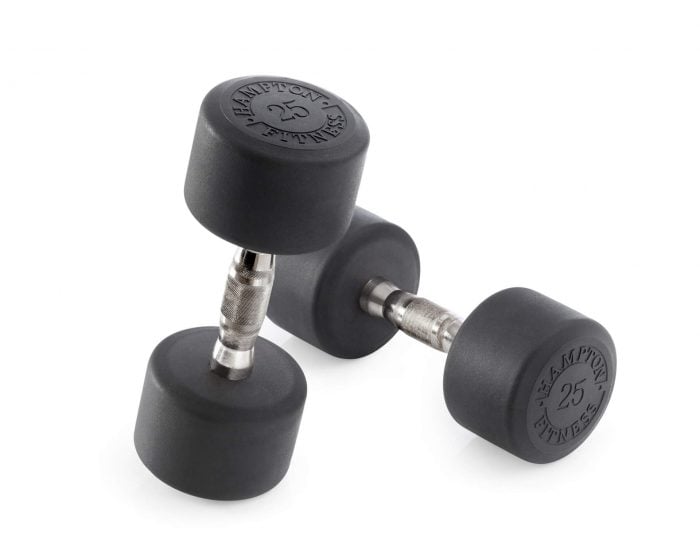
Hampton Dura-Pro Urethane Dumbbells – Pairs
Price range: $40.00 through $1,096.00 -
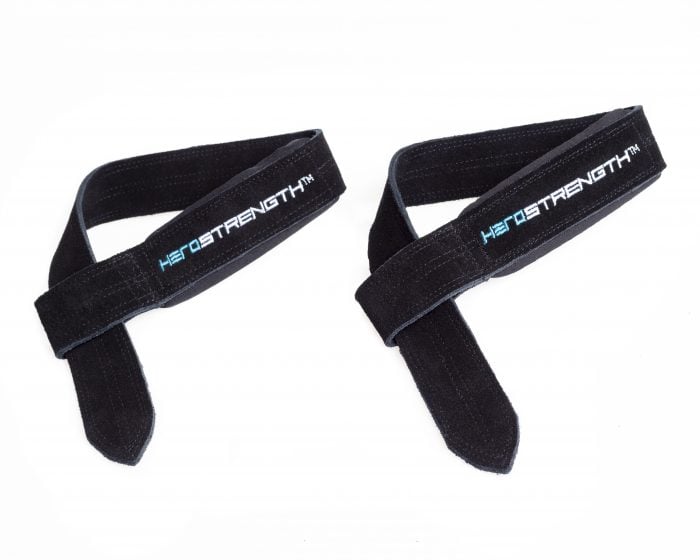
Hampton Leather Lifting Straps
Original price was: $25.00.$14.99Current price is: $14.99.
Muscle Activation and Core Engagement
Belts don’t make your core weaker. They help it work smarter. While some believe wearing a belt reduces abdominal engagement, studies show the opposite when belts are used correctly.
In a 2023 study published in European Journal of Sport Science, lifters wearing belts during squats showed greater activation of the erector spinae, obliques, and rectus abdominis, especially during high-effort reps (>85% of 1RM).
More muscle activation = better control, better form, and more gains. For home lifters, this means the belt can be a useful cue to brace properly and stay locked in during your most demanding sets.
What the Pros Say
Professional coaches and organizations agree: belts are not essential for every lift, but can provide clear benefits when used in the right context.
- The NSCA (National Strength and Conditioning Association) recommends belts for experienced lifters performing maximal or near-maximal loads in exercises that stress the lower back, such as squats and deadlifts.
- The American Council on Exercise (ACE) advises belts for home gym users who are lifting heavy without a spotter or coach, as long as the lifter knows how to brace and use the belt properly.
Here’s the Bottom Line:
- A lifting belt doesn’t lift for you. It helps you lift more safely and efficiently.
- It increases internal pressure to support your spine under heavy loads.
- It enhances muscle activation, especially during near-max lifts.
- It’s most effective when paired with proper technique and bracing mechanics.
Belts work best when they’re part of a progressive, form-focused training plan, not a shortcut or a crutch.
When (and When Not) to Use a Lifting Belt
Strapping on a lifting belt shouldn’t be automatic. It’s not for every movement, every set, or every lifter. If you’re working out at home and progressing through your lifts intelligently, the question isn’t if you should use a belt. It’s when it makes the most sense.
Let’s break down the right scenarios for using a belt, when to skip it, and how to know if you’re even lifting heavy enough for it to matter.
When a Lifting Belt Does Make Sense
There are three key situations where a belt can benefit you, even in a home gym:
1. Heavy Compound Lifts
If you’re squatting, deadlifting, or overhead pressing at 70–85% or more of your one-rep max (1RM), a belt can help you stay braced, stable, and injury-free. The heavier the load and the more your spine is under compression, the more value a belt offers.
Tip: Don’t know your 1RM? If you can only perform 4–6 reps with good form before failing, you’re likely working in that heavy range.
2. Sets Taken Close to Fatigue
As you tire out, your form can break down, especially during compound lifts. A belt adds a layer of support when your core is fighting to keep up. If your last sets are grinders, this is a smart time to belt up.
3. When Lifting Without a Spotter
Training alone? A belt gives you feedback and support, especially under the barbell. It’s not a replacement for safety gear, but it adds confidence when you’re on your own.
When You Don’t Need a Belt
Belts aren’t a replacement for core strength or smart programming. Here’s when you should skip it:
1. Warm-Up Sets
Keep your warm-ups belt-free. These lighter sets are the perfect time to train your natural bracing, focus on form, and reinforce good mechanics without support.
2. Isolation Movements
There’s no need for a belt during bicep curls, lateral raises, or leg extensions. These moves don’t challenge spinal stability in the same way compound lifts do.
3. Core Work
It may sound obvious, but don’t wear a belt for ab exercises. These movements train the very muscles the belt supports, and you want your core doing all the work.
4. Light Lifting or High Reps
If you’re lifting at 40–60% of your max for high reps (12–20), the goal is typically endurance and form, not max strength. A belt won’t add value here.
Are You Lifting Heavy Enough to Need a Belt?
Let’s make this simple. If you’re still building your base, working with moderate weights, and perfecting your form, you probably don’t need a belt yet.
Here’s a quick reference chart to help:
| Experience Level | Typical Load Relative to Bodyweight | Belt Recommended? |
| Beginner | < 1x bodyweight | No – focus on form & control |
| Intermediate | 1–1.5x bodyweight | Sometimes – on heavier sets |
| Advanced | 1.5–2x+ bodyweight | Yes – for max effort lifts |
If your barbell deadlift is closing in on your bodyweight, or beyond, and your form is locked in, a belt could be the next smart tool to add to your setup.
Lifting Belts at Home: Do You Really Need One?
If you train in a commercial gym, the lifting belt debate gets loud fast. Some wear it for every set, others never touch it.
But at home, with limited space and fewer distractions, the decision to use a belt comes down to your goals, your lifts, and your level of experience.
Here’s how to think about it without the hype.
The Pros of Using a Lifting Belt at Home
Training solo has its own challenges. You don’t have a coach watching your form or a spotter ready to step in. A lifting belt can help bridge that gap.
1. It Adds Stability Where It Matters
During heavy compound lifts, a belt reinforces your bracing and helps keep your spine aligned. This is especially helpful if you’re moving toward 1.5x+ bodyweight lifts or doing higher-effort work like paused squats or tempo deadlifts.
2. It Builds Confidence Under Load
One underrated benefit of a belt? It makes you feel more secure when the bar gets heavy.
That mental edge can help you push through sticking points and keep progressing, without cutting corners on form.
3. It Encourages Better Bracing
Using a belt (correctly) forces you to learn how to breathe and brace properly, which carries over into every other lift, even when the belt comes off. It’s a teaching tool, not a cheat code.
The Cons and Common Myths
Belts have their limits. And they’re often misunderstood. Here’s the truth:
1. A Belt Doesn’t Fix Bad Form
If your deadlift setup is off or your squat collapses at the bottom, no belt will save you. Start with mobility, technique, and strength first.
2. It Won’t Make Your Core Weak
One of the most persistent myths in lifting is that using a belt turns your core into mush. But as we saw earlier, studies show belts can actually increase core activation, especially during heavy lifts.
3. Belts Can Become a Crutch If You Let Them
Over-relying on a belt for every lift can lead to dependence. We recommend reserving it for your toughest sets (e.g., 80%+ of max), so you still develop raw core strength and control during lighter work.
We Recommend… (Our Approach to Belt Use at Home)
At Hampton Fitness, we train smart, not just heavy. If you’re working out at home, here’s how we recommend integrating a belt into your routine:
Start Belt-Free
Master your technique, learn how to brace naturally, and build a solid strength base without support. This will give you better control and body awareness when you do eventually add the belt.
Use It Selectively
Introduce the belt during your top sets or more intense training phases, like when you’re working in the 4–6 rep range on squats or deadlifts. Don’t strap in for every warm-up or accessory lift.
Match the Belt to Your Style
If your home workouts involve Olympic lifts, kettlebell work, or CrossFit-style training, a nylon belt with a quick Velcro release may be ideal. If you’re focused on heavy barbell work, a leather belt with a prong or lever closure offers more rigid support.
Pro Tip: If space is limited and you’re only lifting moderately heavy (e.g., 185–225 lb deadlifts), a lower-profile belt like a 4-inch nylon option can offer great support without the bulk.
How to Use a Lifting Belt Properly
Using a lifting belt isn’t complicated, but it’s not as simple as just tightening it around your waist and going.
Done right, it enhances your bracing and protects your spine. Done wrong, it becomes a distraction at best or a risk at worst.
Here’s how to get it right from the first lift.
Step-by-Step: How to Wear a Lifting Belt Correctly
Here are four steps to proper lifting belt use:
1. Position It Mid-Abdomen
Place the belt around your midsection, just above your hip bones and below your ribcage. This should cover your lower abdominals and lower back evenly. If it’s too high, it’ll dig into your ribs; too low, and it’ll restrict your hips.
2. Tighten, But Don’t Overdo It
The belt should be tight enough to press your abs against, but not so tight that you can’t breathe or expand your core. You want to feel secure, not strangled.
Test it by taking a deep belly breath. You should feel the belt push outward in all directions.
3. Breathe & Brace
This is the secret sauce. Take a big breath into your belly (not your chest), then brace your abs like you’re about to get punched in the gut. The belt is your wall, push against it from the inside. Hold that brace through the lift, then reset your breath at the top of each rep if needed.
4. Use Only When Needed
Wear the belt during your heaviest working sets, typically in the 3–6 rep range or above 80% effort. Don’t keep it on between sets or during accessory work.
Common Mistakes to Avoid
Here are four mistakes you should avoid:
Wearing It Too Early
Throwing on a belt during your warm-up sets does more harm than good. You miss the chance to practice natural bracing, and it can become a crutch.
Incorrect Positioning
If the belt is sitting over your ribs or digging into your hips, it’s in the wrong spot. You need that solid middle zone to brace effectively.
Making It Too Tight
Yes, a belt should be snug, but if you’re holding your breath just to keep it on, it’s too tight. You’ll struggle to expand your core and breathe properly, which defeats the purpose.
Skipping Bracing Altogether
Belts don’t do the work for you. If you’re not intentionally bracing your core, you’re just wearing an expensive accessory.
Use It As a Feedback Tool
Here’s a coaching trick: try doing a few reps with the belt a little looser than normal to see how well you’re actually bracing. If you feel it press out equally around your midsection (not just forward), you’re on the right track.
This is one of the best ways for home gym lifters to dial in technique without a coach watching.
Final Thoughts: Train Smart, Lift Safer
A lifting belt isn’t a must-have for every home workout, but when you’re pushing heavier loads, chasing strength gains, or dialing in your bracing mechanics, it becomes one of the most effective tools in your training arsenal.
Use it with intention.
Let it support your form, not replace it.
And remember: your strength starts from the core out.
When you’re ready to elevate your setup, choose Hampton Fitness for high-quality, durable lifting belts and everything else your home gym needs to grow with you.
From smart design to serious performance, we’ve got your back, literally.